Industrial water management is no longer just about meeting discharge regulations. Today, manufacturers are under growing pressure to reduce operational costs, improve sustainability performance, and reuse water wherever possible. As environmental standards tighten across industries such as electronics, metal finishing, chemical processing, and semiconductor manufacturing, companies are actively exploring smarter wastewater treatment technology solutions that deliver both compliance and long-term efficiency.
From membrane filtration to AI-assisted monitoring, modern wastewater treatment technology is evolving rapidly. Businesses that invest early in advanced systems are often better positioned to reduce risks, lower water consumption, and strengthen ESG performance.
In this article, we explore the wastewater treatment technology trends that are shaping industrial operations in 2026 and beyond.
Water scarcity and stricter environmental regulations are changing how industries approach wastewater management. Governments worldwide are introducing tighter discharge standards for heavy metals, organic pollutants, and chemical contaminants. At the same time, many industrial facilities are facing rising water procurement and disposal costs.
Modern wastewater treatment technology helps companies address several critical challenges:
· Meeting local and international environmental regulations
· Reducing freshwater consumption through water reuse
· Lowering operational and maintenance costs
· Improving production sustainability
· Supporting ESG and carbon reduction goals
For industries with complex wastewater streams, outdated systems may no longer provide the efficiency or flexibility needed to stay competitive.
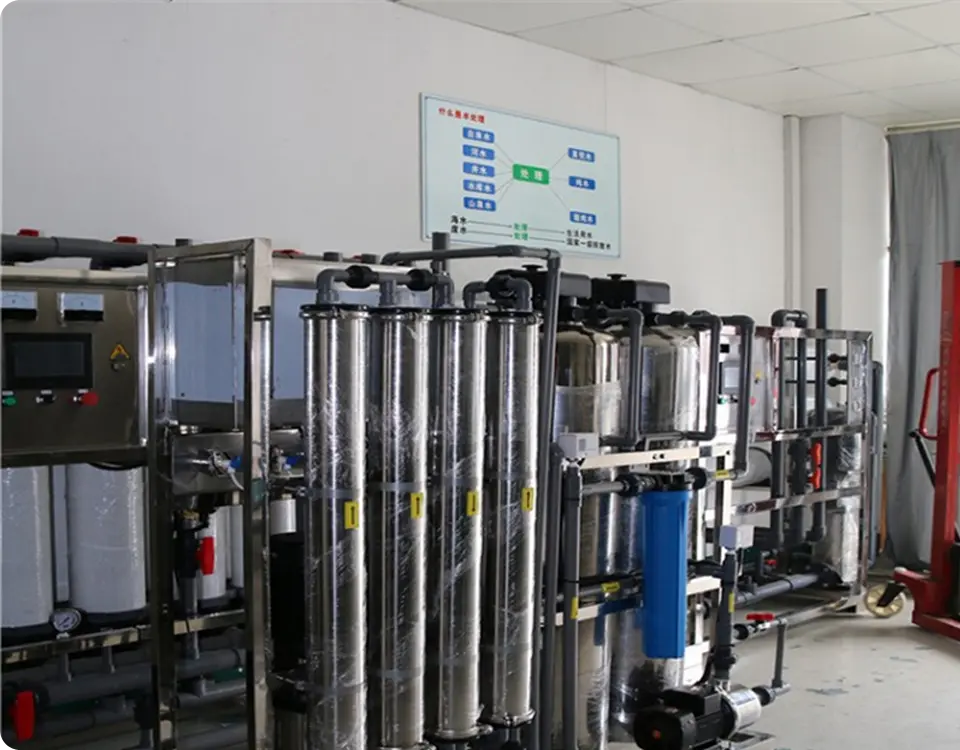
One of the most significant developments in wastewater treatment technology is the growing adoption of membrane filtration systems.
Technologies such as ultrafiltration (UF), nanofiltration (NF), and reverse osmosis (RO) are increasingly used in industrial applications because they can effectively remove suspended solids, dissolved contaminants, and microscopic pollutants.
Technology | Primary Function | Common Industrial Applications |
Ultrafiltration (UF) | Removes suspended solids and bacteria | Electronics manufacturing, food processing |
Nanofiltration (NF) | Removes organic compounds and hardness | Chemical processing, textile industries |
Reverse Osmosis (RO) | Produces high-purity reusable water | Semiconductor and pharmaceutical industries |
Membrane systems are particularly attractive because they support water recycling initiatives while reducing the need for chemical treatment.
However, membrane fouling remains a challenge. To address this, many facilities now combine membrane systems with advanced pretreatment technologies and automated cleaning systems.
Digitalization is becoming a major driver of innovation in wastewater treatment technology.
Industrial facilities are increasingly using smart sensors, cloud-based monitoring platforms, and AI-driven analytics to improve treatment efficiency and reduce downtime.
Modern monitoring systems can:
· Track pH, conductivity, COD, and turbidity in real time
· Detect abnormal system behavior early
· Optimize chemical dosing automatically
· Reduce energy consumption
· Predict maintenance needs before failures occur
Instead of relying solely on manual sampling, operators can now make faster and more accurate decisions using real-time data.
For manufacturers operating multiple facilities, centralized monitoring platforms also improve operational consistency across different production sites.
Energy consumption is a major operational cost in industrial wastewater treatment. As electricity prices rise globally, energy-efficient wastewater treatment technology is becoming increasingly important.
Several technologies are gaining attention for their ability to reduce energy usage:
Aeration often accounts for a large portion of wastewater treatment energy consumption. High-efficiency diffusers and intelligent oxygen control systems can significantly reduce power demand.
Anaerobic systems treat high-strength organic wastewater while generating biogas that can be reused as an energy source. Industries such as food processing and chemical manufacturing are increasingly adopting this approach.
New membrane materials and optimized operating pressures are helping reduce energy requirements in filtration processes.
Energy-efficient systems not only lower operational costs but also help companies meet sustainability targets more effectively.
Water reuse has become a strategic priority for many industrial sectors, especially in regions facing water shortages.
Instead of treating wastewater solely for discharge, companies are now investing in wastewater treatment technology that enables water recovery and reuse within production processes.
· Cooling tower makeup water
· Boiler feed water
· Process rinsing systems
· Equipment cleaning operations
· Landscape irrigation
Closed-loop and near-zero discharge systems are becoming more common in industries with high water consumption.
For manufacturers, water reuse can provide several advantages:
· Reduced freshwater dependency
· Lower wastewater discharge fees
· Improved supply chain resilience
· Enhanced environmental reputation
As water costs continue to rise, reuse-focused wastewater treatment technology is expected to see strong growth over the next decade.
Traditional centralized treatment systems are not always suitable for modern industrial operations. Many manufacturers now prefer modular wastewater treatment technology solutions because they are easier to scale and faster to deploy.
Modular systems offer several benefits:
· Shorter installation timelines
· Easier system expansion
· Lower upfront infrastructure costs
· Greater flexibility for changing production needs
This approach is especially valuable for industries with fluctuating wastewater volumes or rapidly expanding production capacity.
Containerized wastewater treatment systems are also becoming more popular for remote facilities and temporary industrial projects.
Environmental, Social, and Governance (ESG) reporting is influencing investment decisions across global industries. Wastewater management now plays a larger role in corporate sustainability strategies.
Advanced wastewater treatment technology helps companies demonstrate measurable environmental improvements, including:
· Reduced water consumption
· Lower pollutant discharge
· Improved resource recovery
· Reduced greenhouse gas emissions
· Better compliance transparency
Many organizations are also exploring resource recovery technologies that extract valuable materials from wastewater streams, such as metals, nutrients, or reusable chemicals.
Sustainability is no longer viewed as a separate initiative. It is increasingly integrated into long-term operational planning.
Selecting the appropriate wastewater treatment technology depends on several factors:
· Wastewater composition
· Flow volume variability
· Regulatory requirements
· Water reuse objectives
· Available installation space
· Operational budget
A solution that works well for one industry may not be suitable for another. This is why customized system design and professional technical evaluation remain essential.
Companies should also consider future scalability when planning wastewater infrastructure investments.
The future of industrial water management is being shaped by smarter, cleaner, and more efficient wastewater treatment technology.
As industries face increasing environmental pressure and rising operational costs, advanced treatment systems are becoming essential rather than optional. Technologies such as membrane filtration, smart monitoring, modular systems, and water reuse solutions are helping manufacturers improve both sustainability and operational performance.
Businesses that proactively upgrade their wastewater treatment technology today are likely to gain long-term advantages in compliance, efficiency, and environmental responsibility.
For industrial manufacturers seeking reliable and future-ready solutions, investing in modern wastewater treatment technology is a strategic step toward sustainable growth.
Biological treatment, membrane filtration, and chemical treatment systems are among the most commonly used wastewater treatment technologies in industrial applications.
Water reuse helps reduce freshwater consumption, lower operating costs, and improve sustainability performance for industrial facilities.
Smart monitoring enables real-time data tracking, predictive maintenance, and automated system optimization, improving treatment efficiency and reducing downtime.
Industries such as semiconductor manufacturing, electronics, chemical processing, metal finishing, and food production benefit significantly from advanced wastewater treatment technology.
Key considerations include wastewater characteristics, regulatory requirements, water reuse goals, operational costs, and future scalability.


 EN
EN
 jp
jp  ko
ko  fr
fr  de
de  es
es  it
it  ru
ru  pt
pt  ar
ar